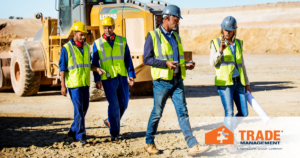

When people think about jobsite safety, they often picture hard hats, safety glasses, PPE, lockout/tagout procedures, or toolbox talks. While each of those measures plays a vital role in maintaining safety on the jobsite, strong jobsite safety starts with staffing, including understanding the work, placing qualified individuals in the right environment, and ensuring everyone steps onto the jobsite prepared for success.
From a staffing perspective, every hiring decision contributes to the overall safety culture of a project. Recruiters who understand the role, verify experience, communicate expectations clearly, and match workers to the appropriate environment help establish the conditions for a safer, more productive jobsite.
Safety Begins with Understanding the Job
Jobsites vary. Even projects requiring similar trades can differ significantly based on the work environment, equipment, customer expectations, and safety requirements. Effective recruiting goes beyond matching a resume to a job description. Recruiters must understand job duties, certifications and technical skills required, physical demands, safety procedures, and crew structure. When recruiters understand these details, they can make placements that support both productivity and safety.
Experience Verification Protects Everyone
In 2025, non-fatal workplace injuries cost employers more than $1 billion per week. To prevent tragic safety incidents, employers need workers who have successfully performed similar work and know how to navigate potential hazards. By vetting technical experience, certifications, equipment familiarity, and previous project responsibilities, recruiters help ensure workers arrive prepared for the tasks they will perform rather than learning critical safety expectations through trial and error. Verified experience in skilled trades translates directly into safe decision-making.
Setting Expectations Before Day One
Preparation is another often-overlooked component of jobsite safety. Workers perform more confidently when they know what to expect before arriving on site. Understanding reporting procedures, required PPE, work schedules, job responsibilities, site rules, and customer expectations reduces uncertainty and allows employees to focus on performing the work safely.
Preparation also benefits employers. Supervisors spend less time clarifying basic expectations and more time focusing on production, coaching, and maintaining a safe work environment. When expectations are communicated early and consistently, fewer surprises occur once work begins.
The Right Worker in the Right Environment
Successful staffing requires understanding both the worker and the workplace. A highly skilled tradesperson may not succeed if placed in an environment that does not match their experience, communication style, or work preferences. Some projects demand fast-paced commercial construction experience. Others require precision manufacturing, industrial maintenance, or shutdown work. Matching individuals to projects where they can contribute confidently helps reduce unnecessary risk while supporting stronger team performance. This thoughtful placement process creates safer jobsites because workers arrive prepared for the specific environment they are entering.
Building a Strong Safety Culture Before Work Begins
Organizations with strong safety cultures recognize that safety is created through planning as much as policy. Before the crew begins work, employers have already made decisions about workforce planning, recruiting, onboarding, communication, and training. Each of those decisions influences what happens after workers arrive. The strongest safety cultures reduce risk by preparing workers before jobs start. That preparation starts with hiring.
How Trade Management Helps Build Safer Jobsites
At Trade Management, safety is built into every stage of the hiring process. Our recruiters take time to understand each customer’s project requirements, work environment, safety expectations, and technical needs before recommending candidates. We verify experience, evaluate qualifications, and communicate expectations so each worker arrives with a clear understanding of their role.
Our commitment to workforce readiness extends beyond recruiting. Through our NCCER-accredited training, we help prepare workers with standardized, industry-recognized skills that align with real-world jobsite expectations, helping workers strengthen both their technical knowledge and safety awareness before they ever step onto the jobsite.
At Trade Management, we believe jobsite safety starts well before the crew arrives at the jobsite. If your organization is looking for skilled trades professionals who are prepared for the work ahead, contact us.